ShareGround is a co-living platform with a clear structure and community-centered branding, designed responsive and scalable for future growth.
ShareGround is a co-living platform with a clear structure and community-centered branding, designed responsive and scalable for future growth.
Insights
Overview
Overview
Summary:
In a self-initiated design sprint, I led the end-to-end redesign of ShareGround, a co-living platform, focusing on accessibility (WCAG), ethical branding (B-Corp), and scalable design systems to create a product aligned with sustainability, inclusion, and transparency.
Business Challenge:
MARKET GAP
Many co-living platforms focus on room listings, neglecting lifestyle value, accessibility, and transparent pricing, which reduces trust and engagement.
STRATEGIC OPPORTUNITY
BRAND DIFFERENTIATION: Align with B-Corp principles to signal ethical and sustainable values.
USER ACQUISITION: Optimize booking flows to reduce drop-off and increase conversions.
RETENTION & ADVOCACY: Building community features that foster engagement and loyalty.
OPERATIONAL EFFICIENCY: Develop a reusable design system to lower future development costs.
Approach
Research
Research
Workflow:
To deliver high-impact outcomes within a 3 week timeline, I adopted an Agile-inspired solo workflow, emulating cross-functional collaboration to prioritize business value, iterate rapidly, and validate design solutions.
Sprint 0: Market Research & Strategic Planning
COMPETITIVE ANALYSIS: Reviewed Cohabs, Quarters, and Allihoop to identify UX gaps and opportunities.
STRATEGIC MAPPING: Translated B-Corp values into actionable design principles:
Principle
UX Translation
Sustainability
Eco-friendly messaging
Inclusion
Diverse personas, accessible design
Transparency
Honest pricing, clear communication
Community
Events, shared spaces, wellbeing features
PERSONA DEVELOPMENT: Defined Digital Nomad, Young Professional, and International Student segments to guide design decisions.
MVP DEFINITION: Scoped core pages based on user needs and business impact.
Sprint 1: Information Architecture & Wireframing
Focused on simplicity and clarity. Using Lovable, I quickly turned concepts into page layouts with plain language descriptions. I selected accessible colors and fonts early and iterated on usability before moving to high-fidelity design.
Sprint 2: High-Fidelity UI & Design System Creation
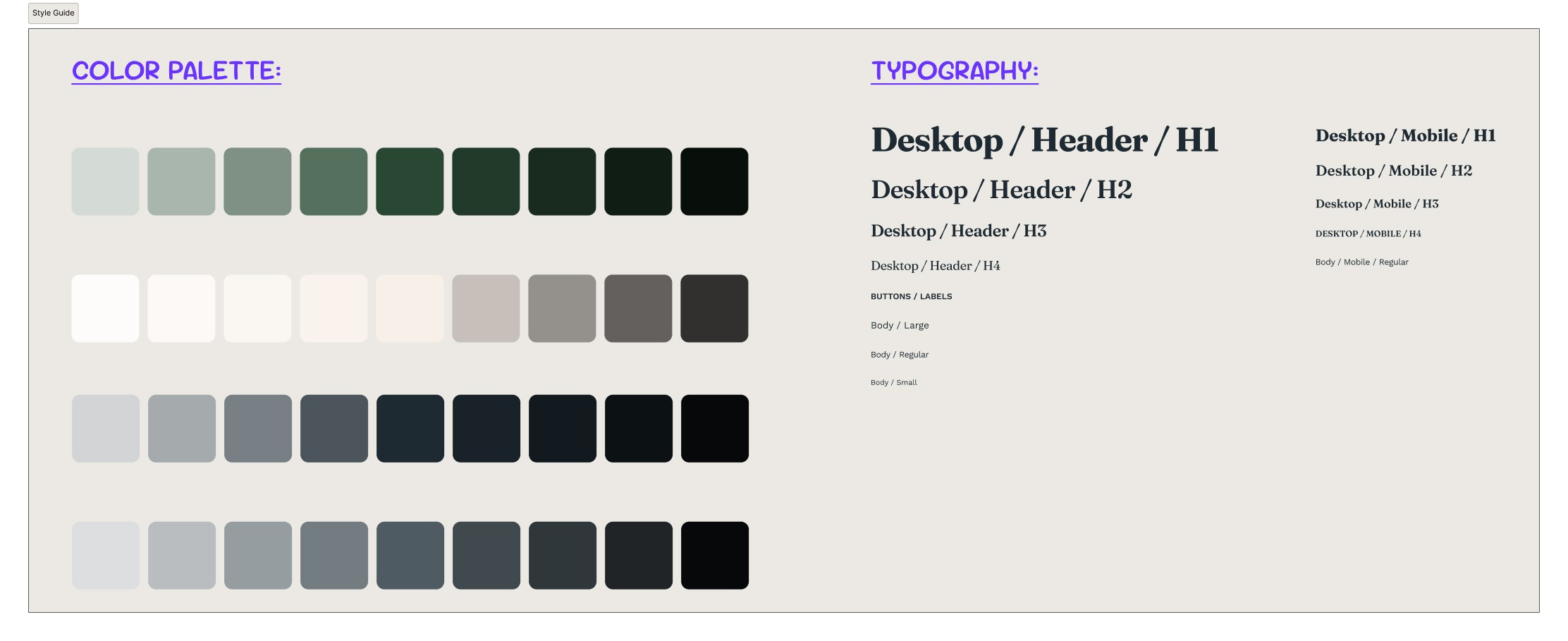
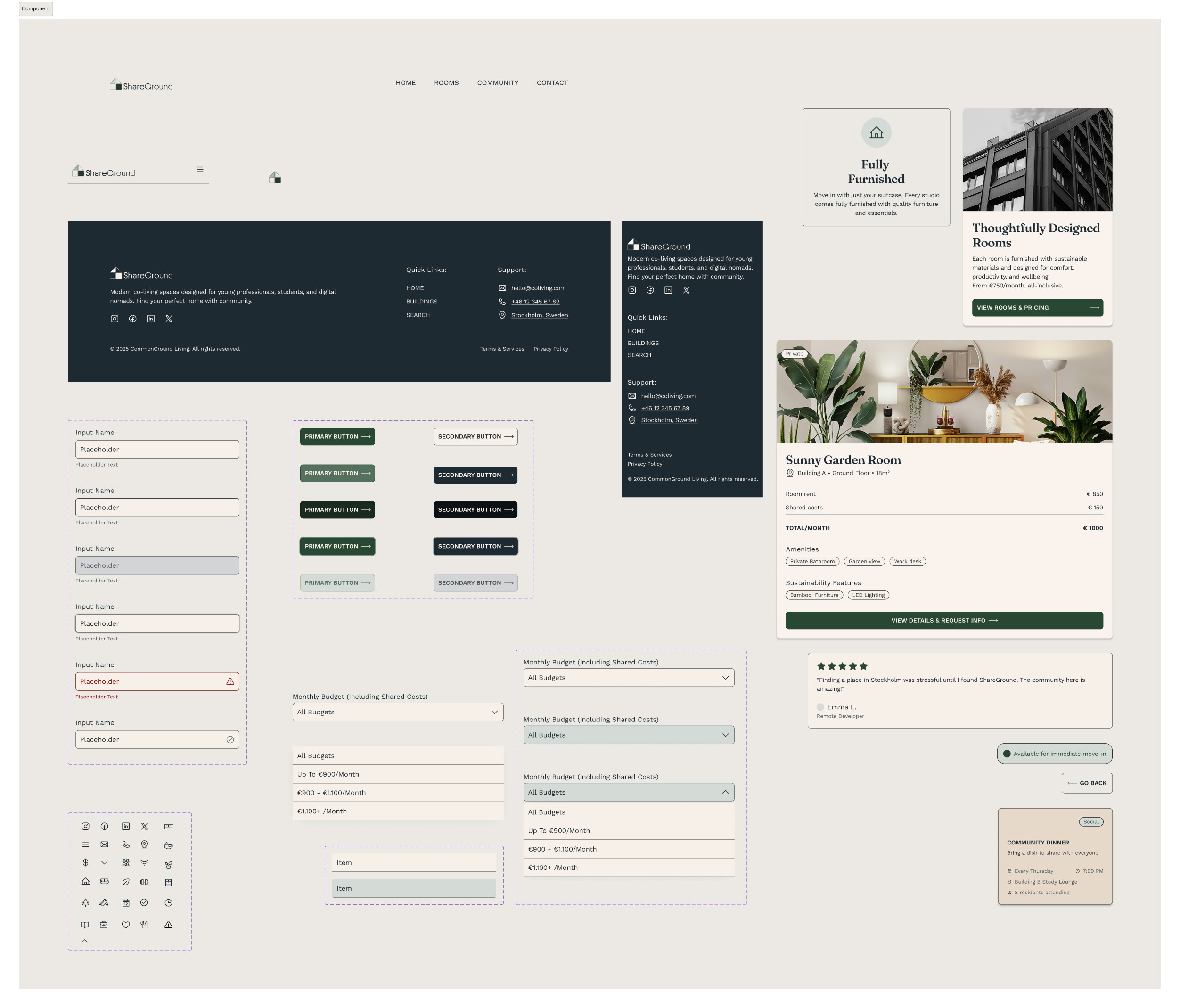
Built a flexible Figma design system with reusable components (buttons, forms, etc.), ensuring accessibility, responsiveness, and brand consistency at scale.
Sprint 3: Usability Testing & Iteration
Conducted user tests to validate the design. Feedback revealed booking flow friction, unclear buttons, and opportunities to better highlight the community experience, which guided iterative improvements.
Sprint 4 : Delivery & Handoff
Delivered a fully responsive design across devices. Documented design specifications and accessibility guidelines in Notion to ensure smooth collaboration and scalable future development.
Interaction
Prototype
Prototype
Insight
Conclusion
Conclusion
Key Results:
✅ Achieved WCAG AAA compliance across all pages.
✅ Optimized booking flow based on user testing, improving usability.
✅ Created a design system that reduced future development effort by ~30%.
✅ Embedded B-Corp values in every design decision, reinforcing ethical and sustainable branding.
Strategic Learnings:
Design as Business Strategy: Ethical, accessible design builds trust and drives growth.
Solo Agile Execution: Practiced prioritization, iteration, and adaptability to deliver end-to-end outcomes.
Documentation as Leverage: Comprehensive handoff materials streamline collaboration and support scalable development.
Balancing Users and Business: Aligning user needs with business goals is critical to product success.